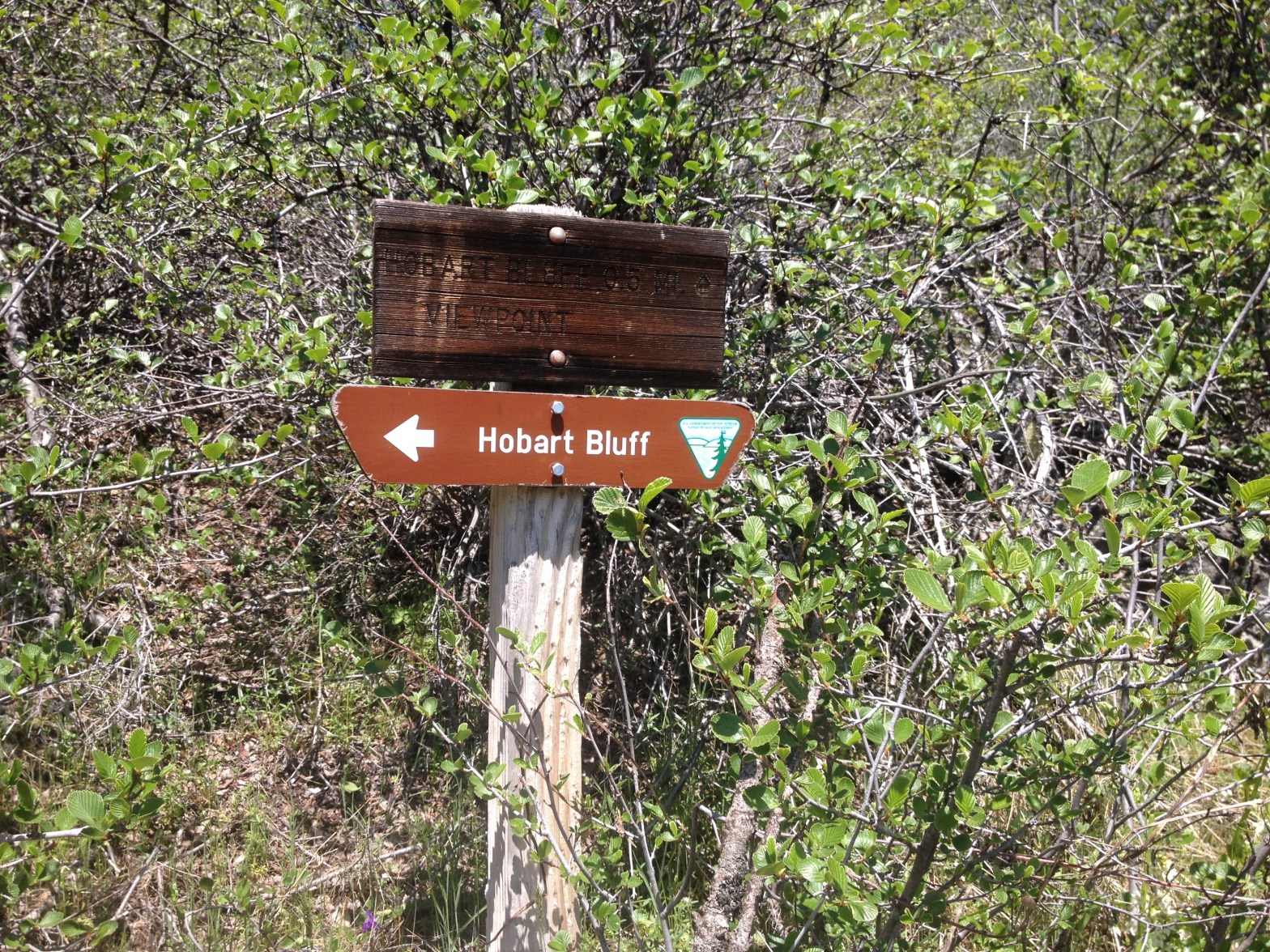
I’m going to veer off from my usual blog posts today. I’m currently taking a History of the Pacific Northwest Wilderness class at Southern Oregon University and one of our assignments was to go explore a Wilderness area in either Oregon or Washington and make a blog post about our experience. This is my experience in the Soda Mountain Wilderness and climbing to Hobart Bluff. Enjoy!
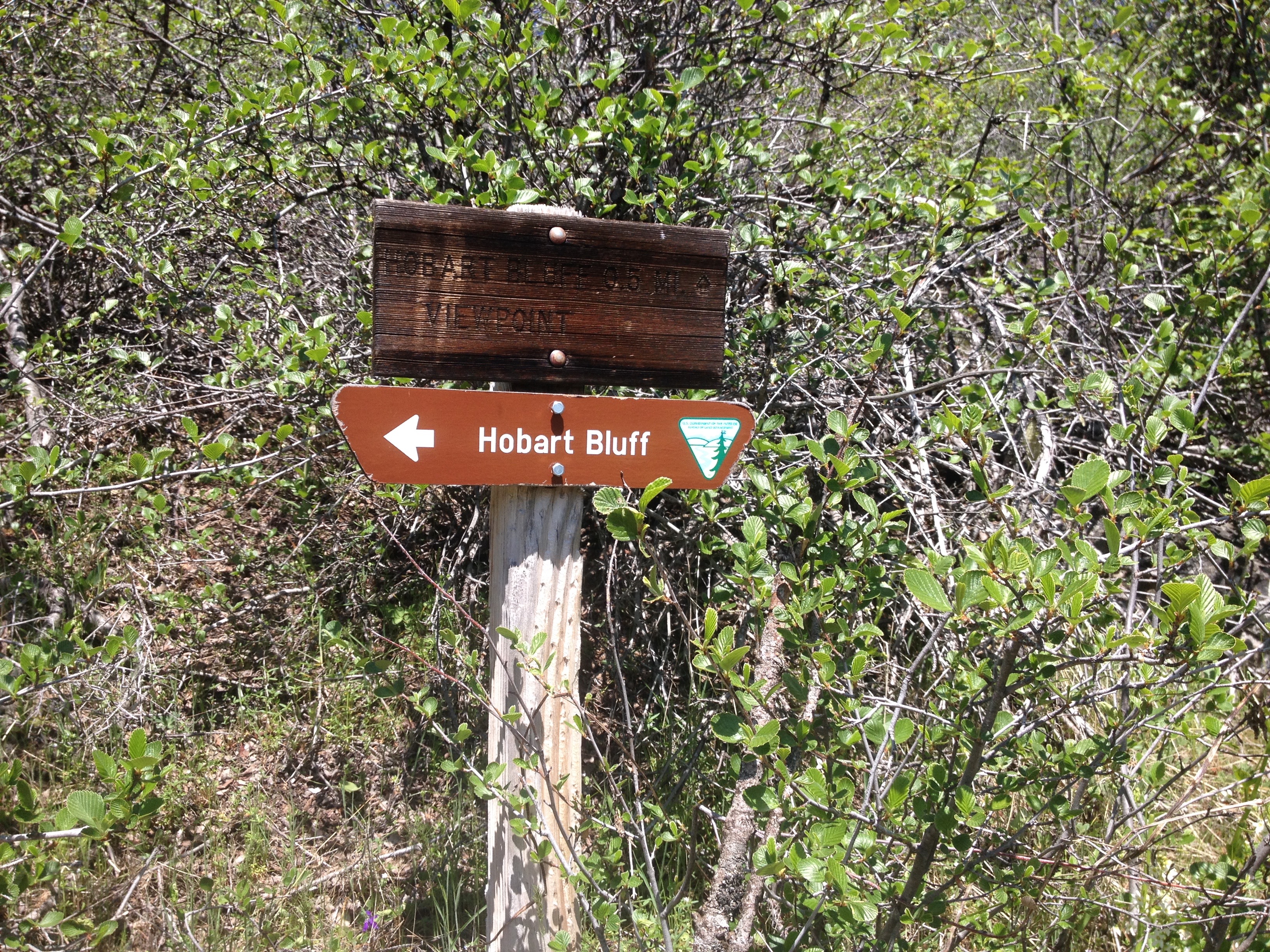
With the windows down, the breeze blowing in, and Ben Howard vibrating through the speakers, I was filled with the excitement only a wilderness adventure could bring. I was lucky enough to have my friend Viv join me on this particular outing and the two of us, after getting a wee bit lost, eventually found Soda Mountain Road and the trail head for Hobart Bluff. The hike itself was very short, and more of a leisurely stroll than an intense trek. For one mile Viv and I walked on the PCT, until we came to a fork in the trail and took a hard left to hike the last half mile to get to Hobart Bluff.
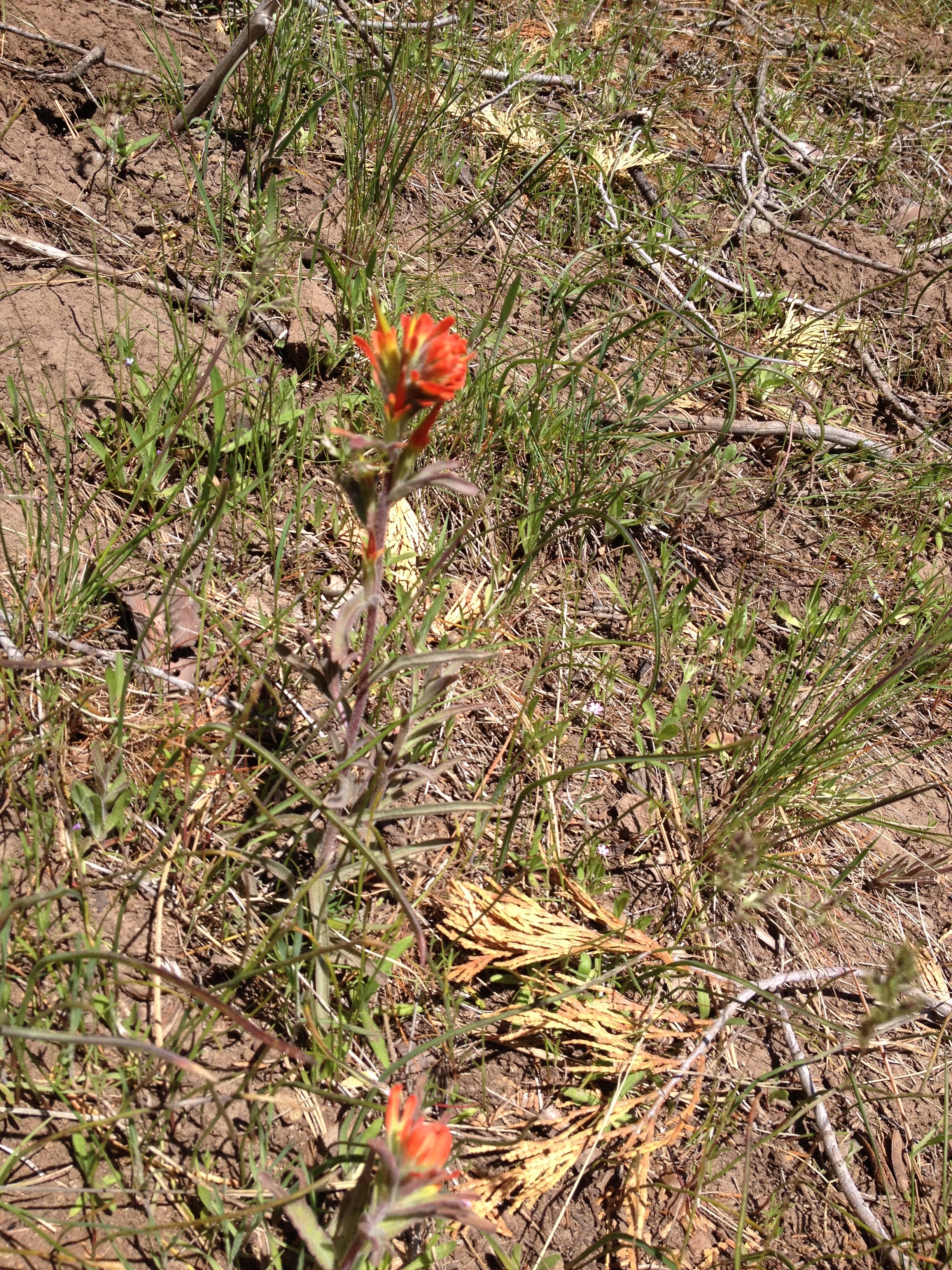
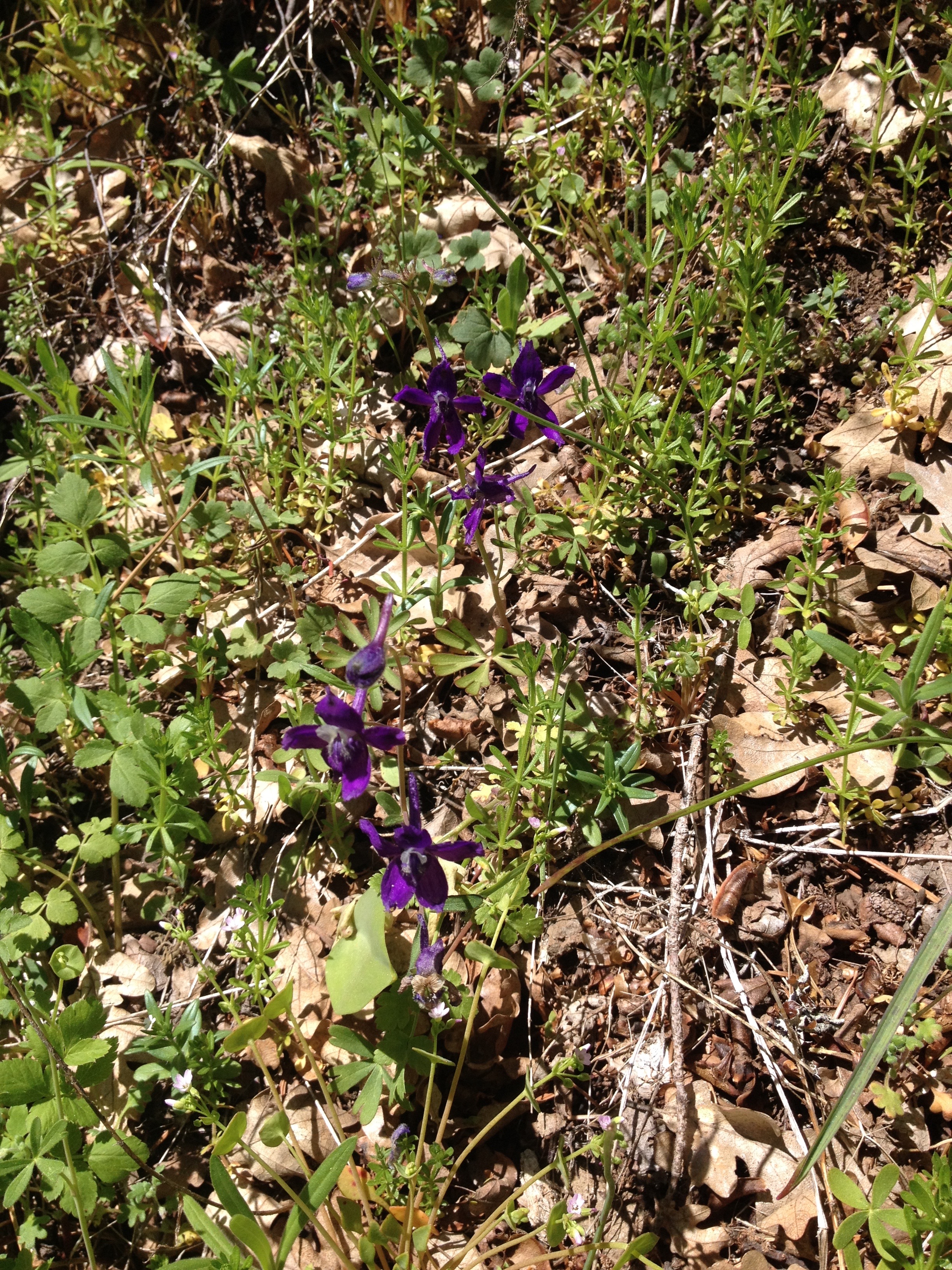
The sky was a clear blue and the view only got better and better as we climbed to the outcrop of rocks at the top. Our ascent was slow as I made frequent stops to take pictures of the large variety of wild flowers that grew next to the trail. Most of the flowers were new to me but I did recognize wild strawberries and Indian Paint Brush. I later discovered that the delicate purple flowers I had thought were a type of violet were actually Purple Larkspur. We also discovered a plant that at first glance looked like mint but had no traces of mint scent when picked. I crushed a leaf between my fingers and was rewarded with a subtle lemon smell. I believe it was Lemon Balm but it had the most gentle aroma that I’ve ever experienced.
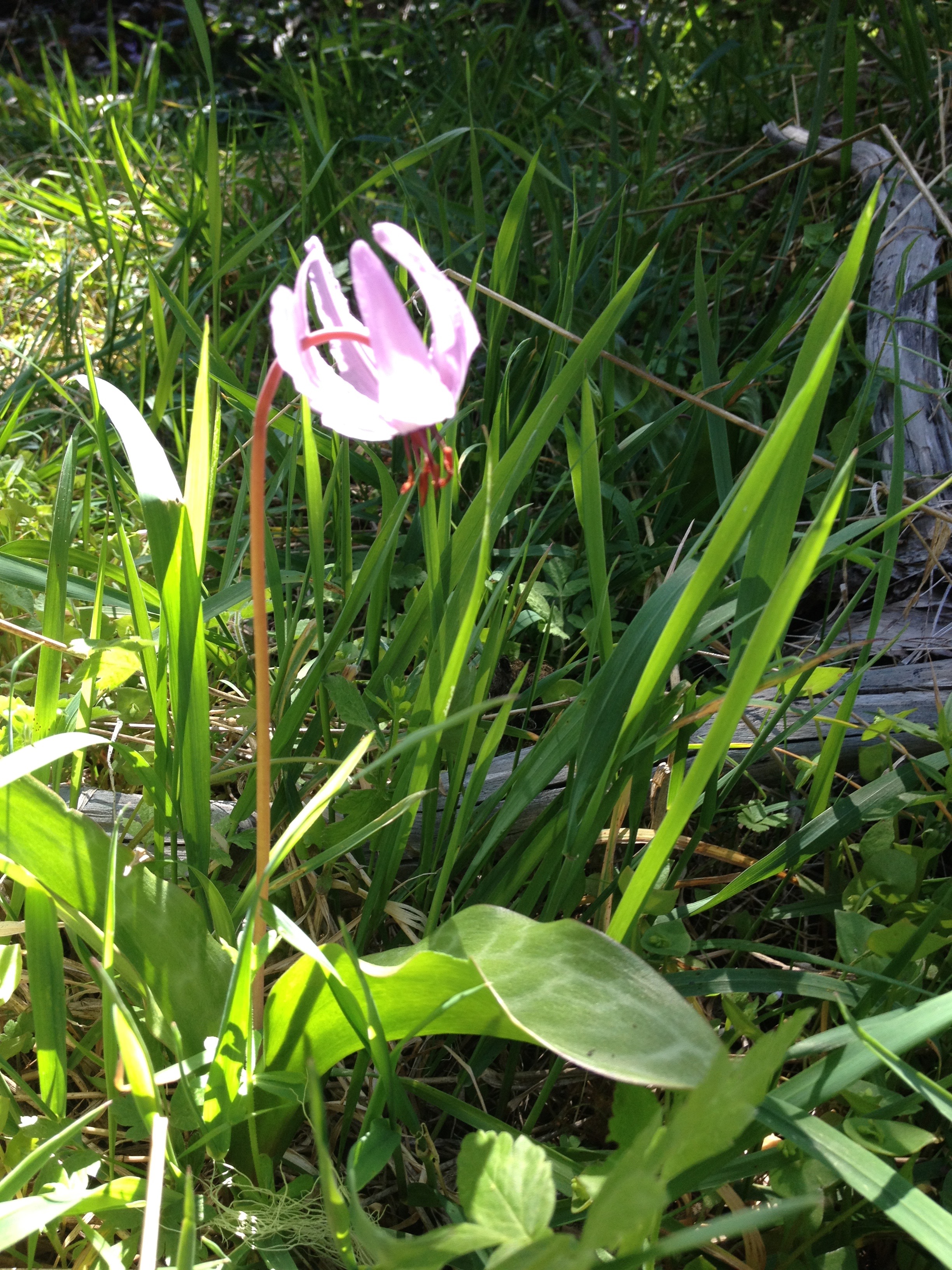
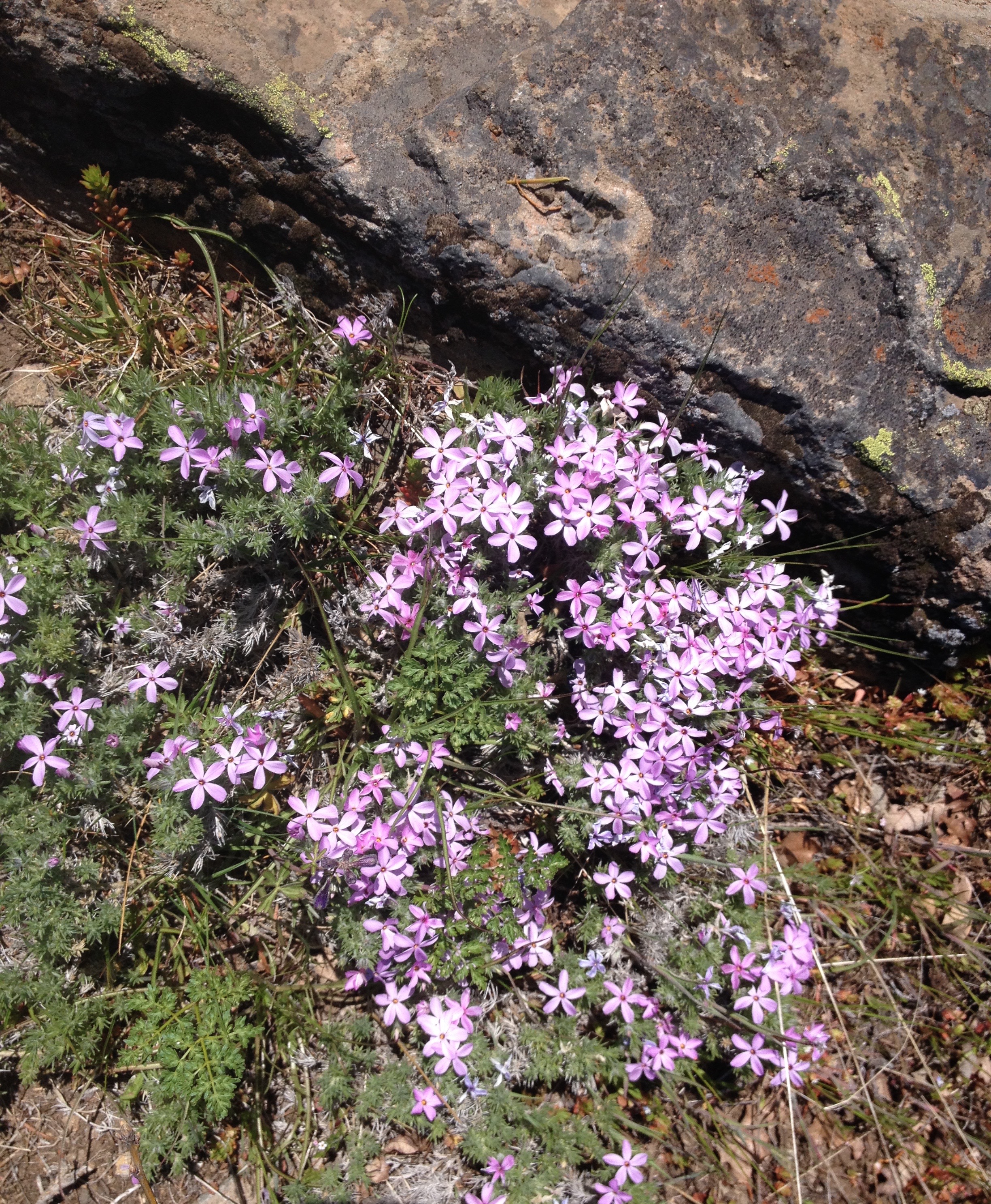
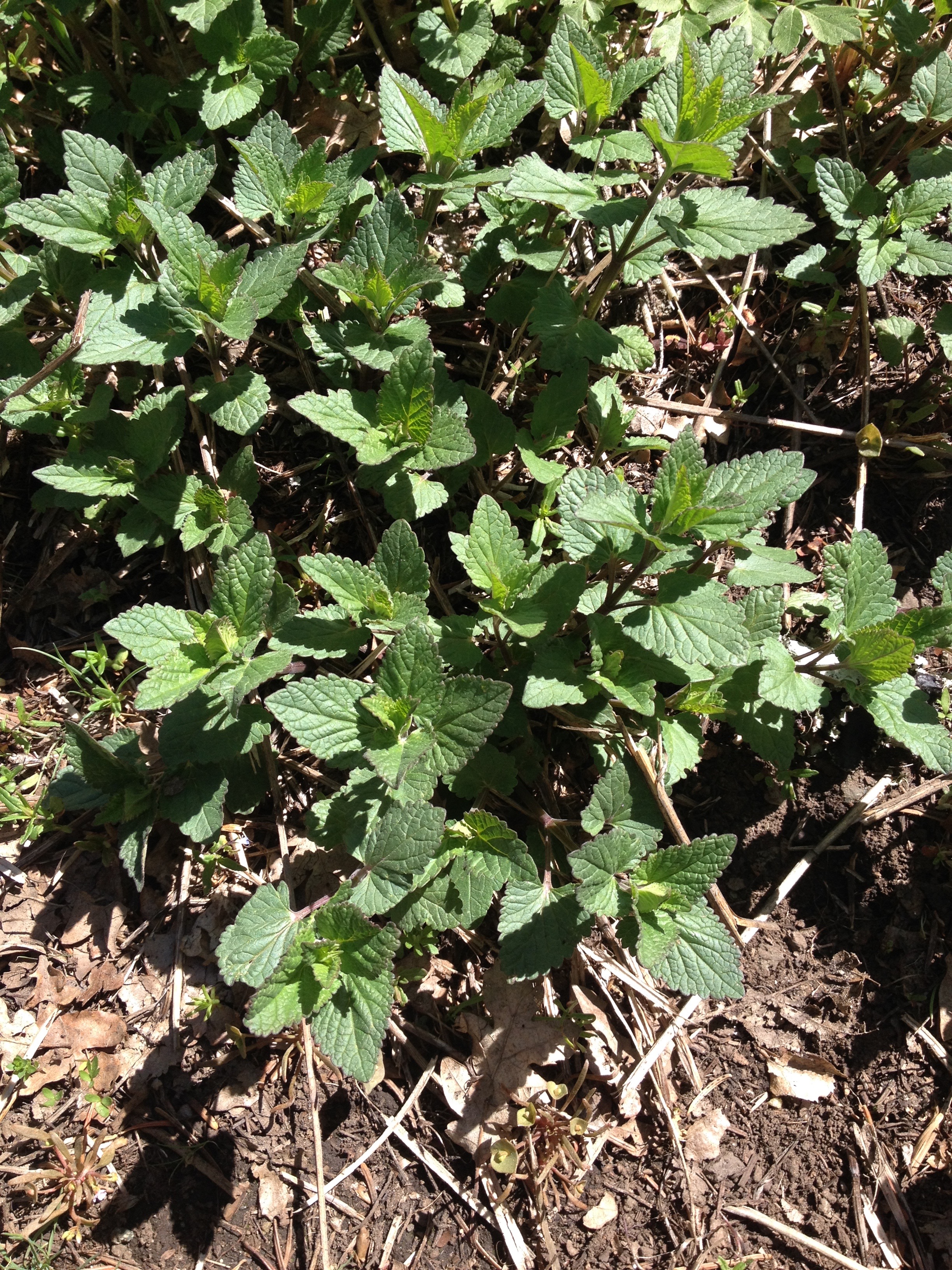
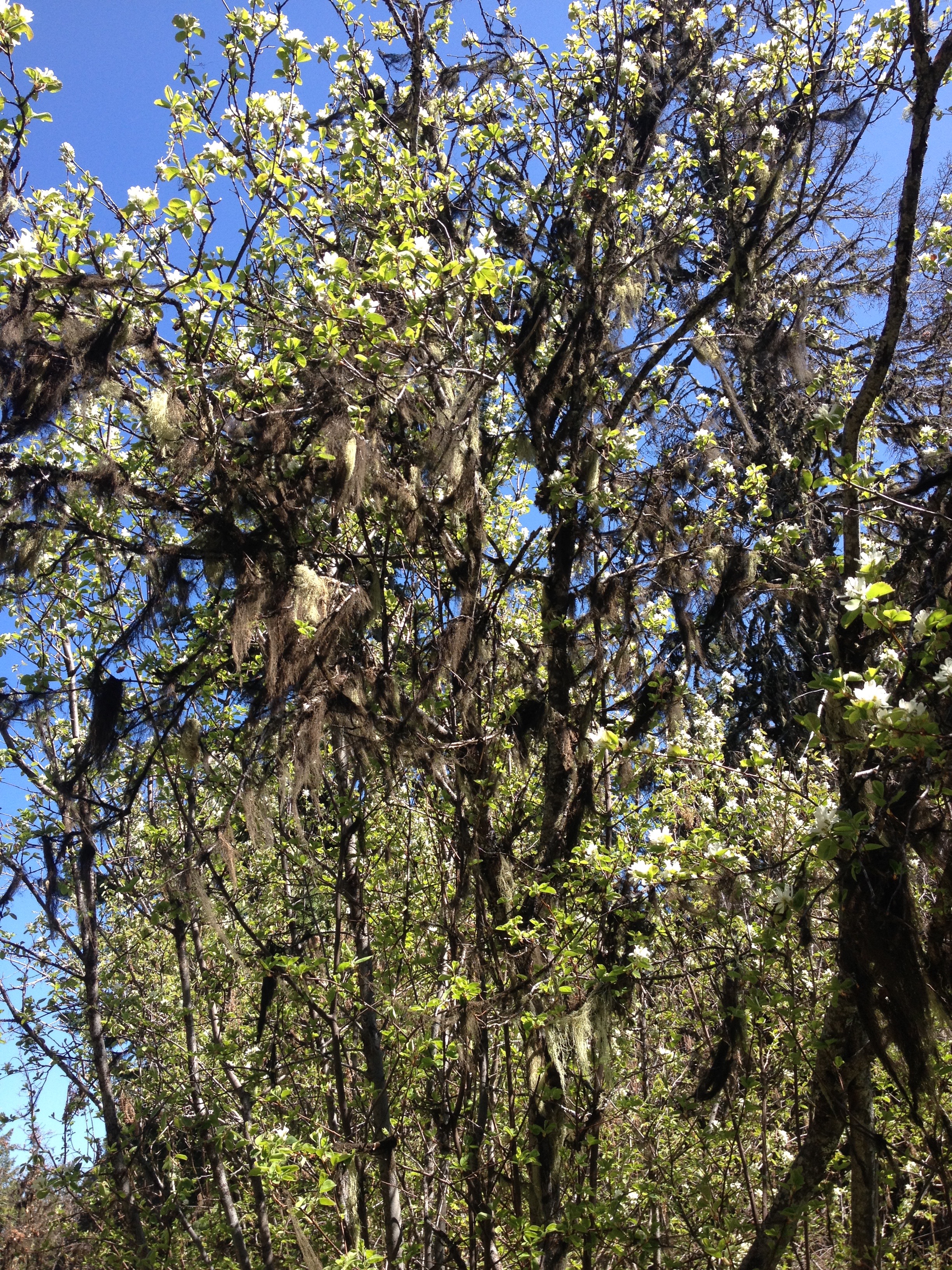
With my limited knowledge of foliage I was not able to identify most of the foliage that we came across. However, I did recognize the manzanita trees, with their peeling chocolate colored bark, that were high in number. There was also a diverse number of evergreen trees including White Pine and Incense Cedar. I recognized Sagebrush and Western Junipers as well. Among these varied trees there hung many different types of moss and lichen, none of which, sadly, I could name but enjoyed their bright colors and beard like consistency.
At the trail head Viv and I came across a sign that requested hikers to stay on the path owing to the butterfly population and that a few of the species were dwindling in size. The Soda Mountain Wilderness boasts one of the highest diversities of butterfly species in the US, and I was pleased see at least three or four different kinds while hiking, although I’m by no means an expert when it comes to butterflies. There are also a large number of bird species that live in the Soda Mountain Wilderness including the Western Bluebird, Northern Spotted Owl, Flammulated Owl, Western Meadowlark, Pileated Woodpecker, and Pygmy Nuthatch.
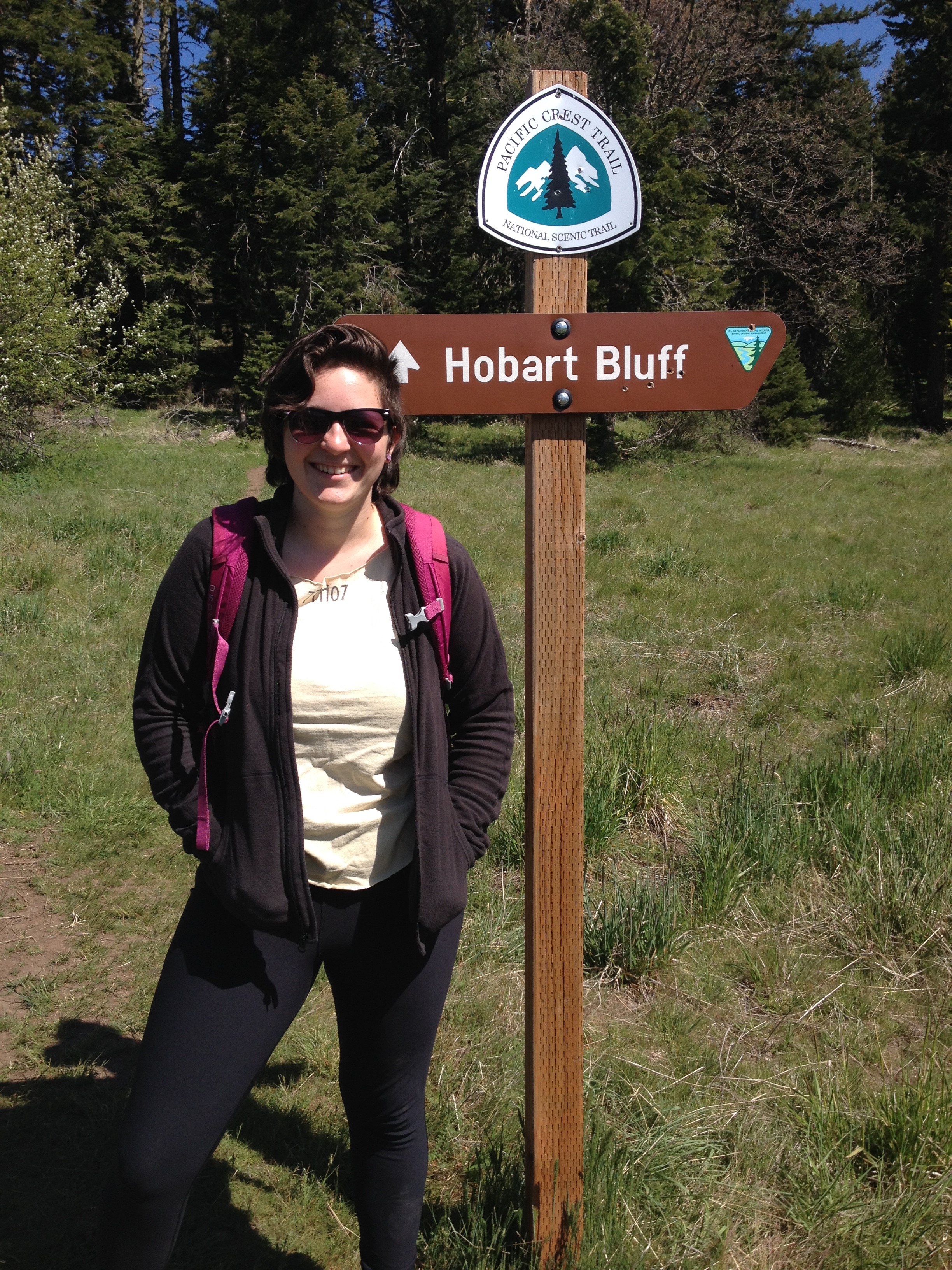
The hike to Hobart Bluff is only a little over 2 miles round trip and since it was a beautiful spring day my partner in crime and I passed several groups of people enjoying the day. Seeing these fellow hikers made me think about the history of the Soda Mountain Wilderness and its relationship with humanity. Humans have been using the resources available in SMW for nearly 10,000 years. In the past there has been timber harvesting, road construction, livestock grazing, ranching, and fire suppression. This has all influenced the land in multiple ways.
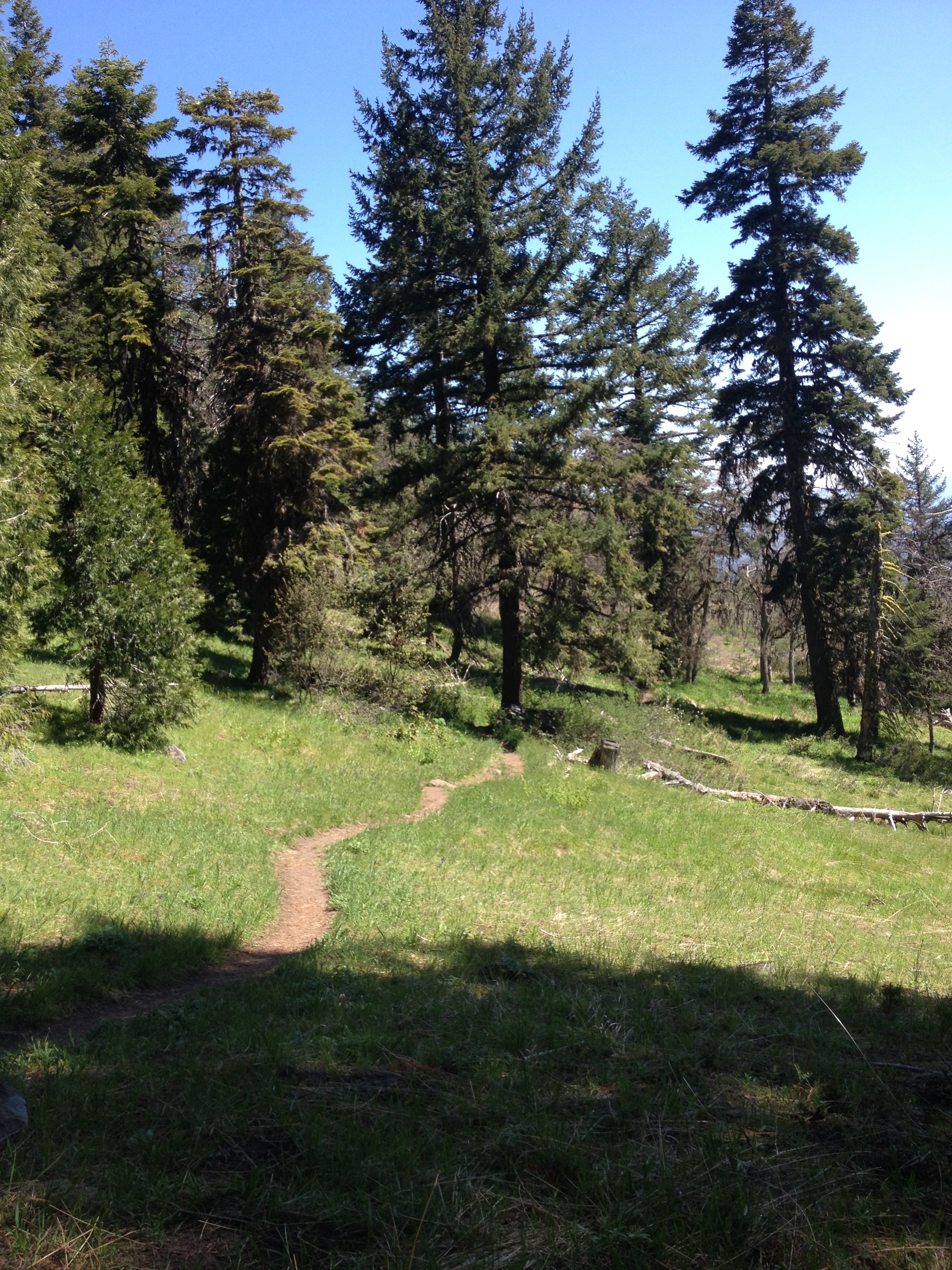
The SMW was made into an official wilderness in 2009 by the Omnibus Public Land Management Act. It designated 24,100 acres of the land as wilderness. There is 240-acres of private land in SMW which the BLM is currently trying to acquire to add it to the rest of the wilderness area.
There is no cross-country travel by bicycles or vehicles in the SMW. With limited exceptions the removal of any monument feature or object is forbidden. It is also prohibited to possess or use any mechanized or motorized equipment such as ATV’s, game carriers, generators, wagons, carts or bicycles. A special recreation permit is required for any organized group, and hunting is also regulated.
Knowing that the wilderness areas in the US are so heavily regulated gives me a feeling of hope that they may be kept in as much of their natural state as possible while human kind visits briefly. Although we did run into several groups of hikers I was happy to not run into any mountain bikers or other groups using a mechanical advantage as it would have ruined the wild atmosphere the SMW holds.
The most enjoyable part for me during this hike was watching the change in the environment as we climbed to the top. We started in a large grassy meadow full of wild flowers and other foliage and then moved to a moss-covered forest with even more colorful flowers poking out of the greenery. Near the top of Hobart Bluff the trees thin out and it turns into a rocky desert terrain with lots of Sagebrush and hot stones. At the top of the Bluff, at an elevation of 5,500ft, we were rewarded with a breath-taking view. Viv and I sat down on an inviting outcropping of rocks to eat lunch and from our spot we could see Pilot Rock, Mount Ashland, and Mount McLoughlin as well as Emigrant lake and Ashland itself.
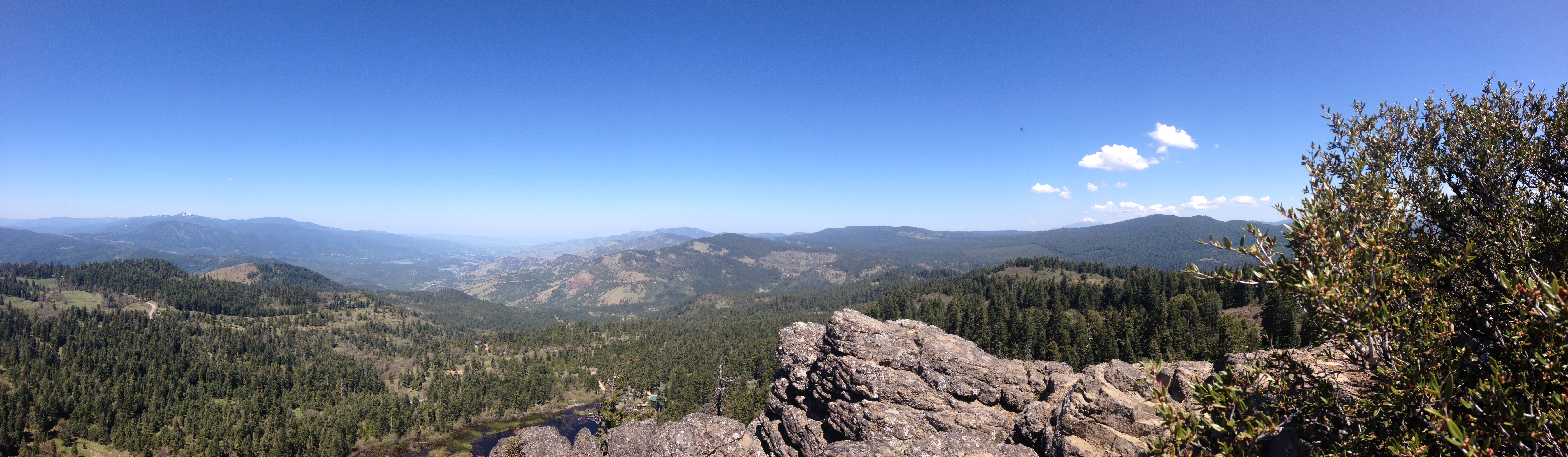
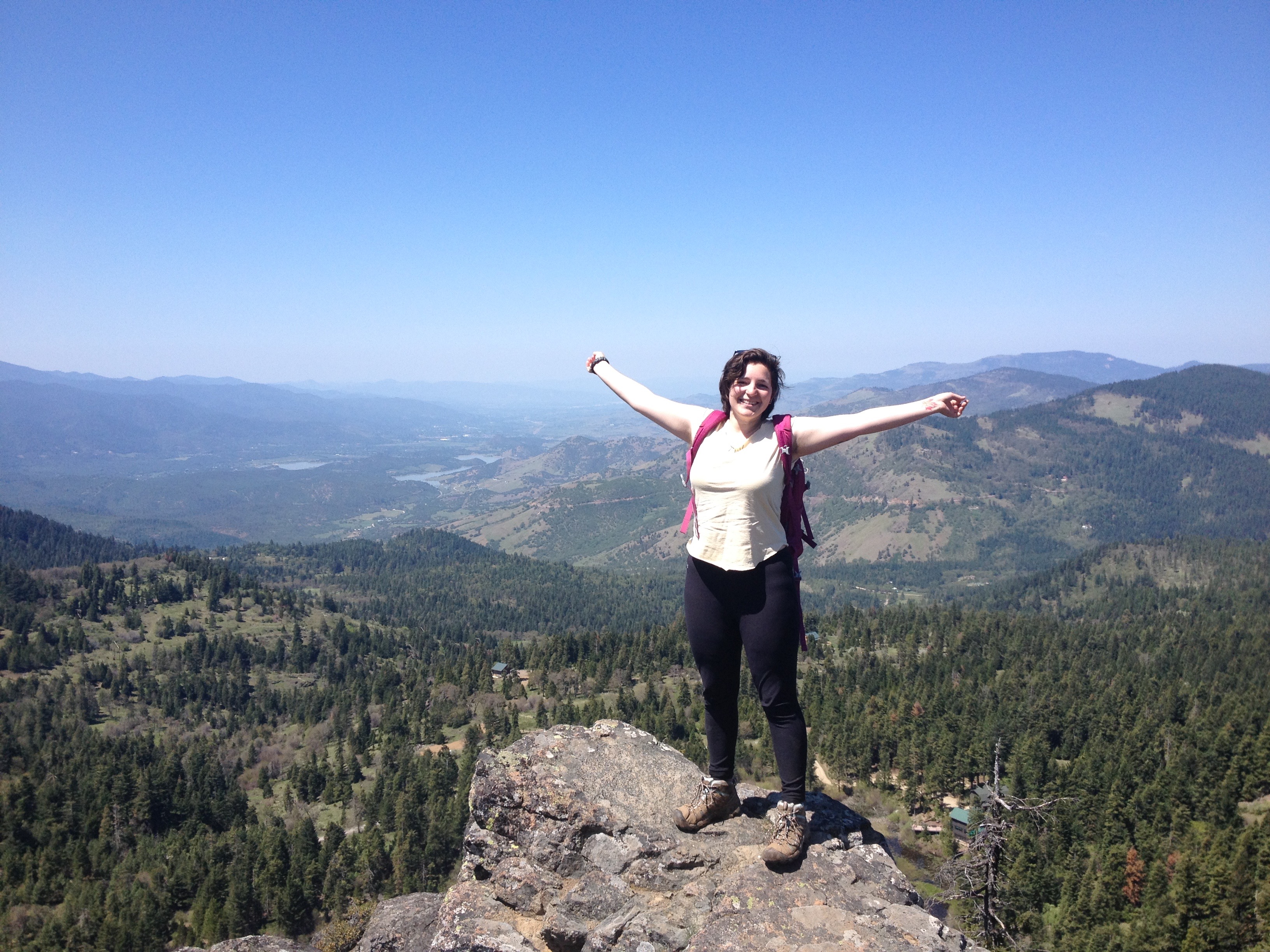
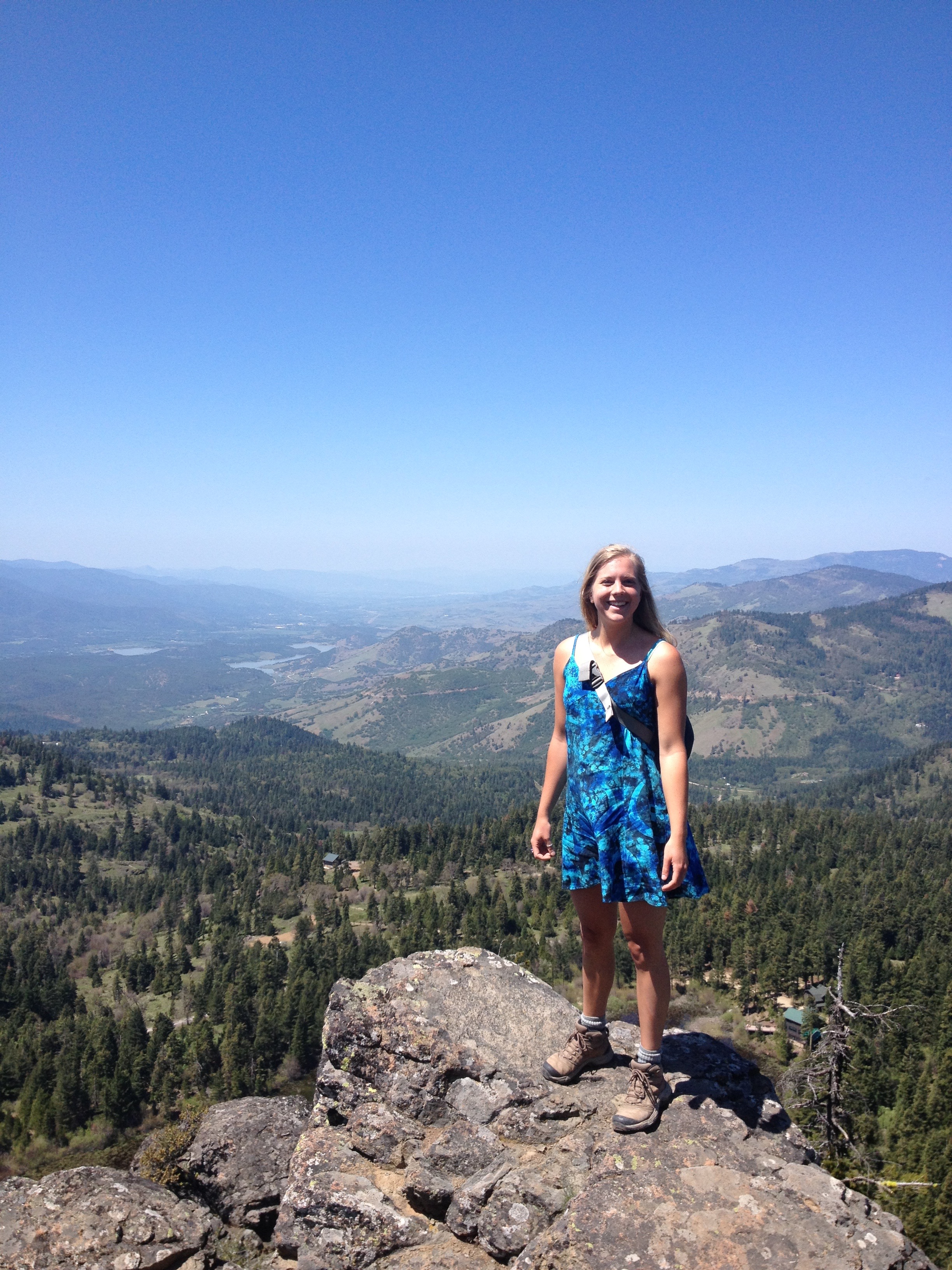
I’ve lived in Oregon all of my life and am slightly ashamed to admit that this was the first time I’d explored a wilderness area in Oregon. Honestly I had no idea that there were so many in my home state, and I’m really excited to get out and explore more of them.
Bibliography:
“Day Hikes Near Green Springs.” Blm.gov. Bureau of Land Management. Web. 8 May 2015. <http://www.blm.gov/or/resources/recreation/csnm/files/green-springs.pdf>.
“Hobart Bluff.” Ashland Outdoor Store. 2011. Web. 2015.<http://www.outdoorstore.com/activities/day_hiking/hobart_bluff.php>
“Soda Mountain Wilderness: Stewardship Plan and Environmental Assessment.” SOU Hannon Library. Web. 8 May 2015. <soda.sou.edu/Data/Library1/Bioregion/111018z1.pdf>.
All pictures are property of Autumn Micketti
 Autumn Micketti
Take me there soon! What a loverly description!